 Lorient Hub
Current Formation Analysis
Lorient, under the management of Régis Le Bris, has adopted a 4-2-3-1 formation that has improved their ability to control the midfield. Les Merlus benefit from a solid balance between defense and attack, with players like Montassar Talbi and Enzo Le Fée playing crucial roles in this dynamic. However, while this formation has brought positive results, it's clear that it could be optimized to make the most of their squad.
Problems Encountered
Despite a strong start to the season, Lorient has sometimes struggled against teams that press high, exposing weaknesses in their defensive line. The slow build-up, especially in transition phases, has allowed opponents like Stade Rennais to exploit spaces behind the defense. Additionally, the lack of depth on the wings has made it challenging to create goal-scoring opportunities in certain matches.
Suggested Adjustments
To address these issues, a switch to a 4-3-3 formation could be beneficial. This would allow Lorient to add an extra forward, providing more width and attacking options. With the speed of players like Dango Ouattara and the creativity of Le Fée, this formation could also enhance their ability to counter high presses.
Strengthening the Midfield
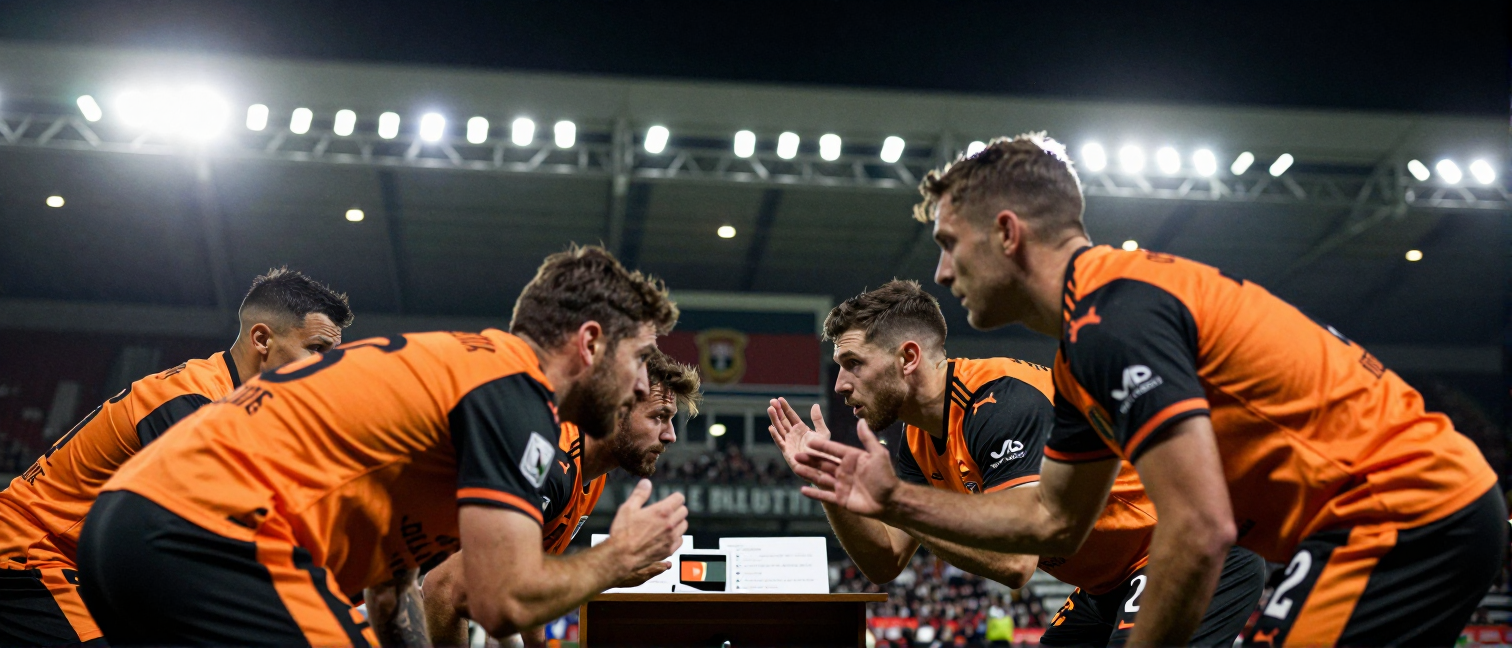
A crucial adjustment would be to encourage midfielders to push forward more often, creating passing triangles to facilitate ball circulation. The integration of a more offensive midfielder, such as Romain Faivre, could be considered to provide an additional creative spark, allowing Lorient to destabilize opposing defenses with incisive passes.
Conclusion
In conclusion, while Lorient has shown great promise in recent weeks, a few tactical changes could propel them to even more impressive performances. A 4-3-3 system, combined with better utilization of midfielders, could transform the team's dynamics and strengthen their position in the Ligue standings.